Our dental practice is committed to providing high-quality, modern dental care using contemporary techniques, ongoing professional training, and the latest advances in dental technology. We continuously update our knowledge and methods to ensure that our patients benefit from safe, effective, and appropriate treatment.
We also believe that a positive dental experience goes beyond clinical expertise. Our practice provides a relaxed, welcoming atmosphere and friendly, professional service, helping patients feel comfortable and confident throughout their dental care journey.
Early Dental Care Can Save Your Teeth — and Your Money
Many patients perceive dental treatment as expensive. In reality, it is often delaying treatment and waiting until a dental problem becomes serious that makes dental care more complex and costly.
Dental decay can progress through several stages:
???? Stage 1 – Early Tooth Decay
A small brownish discoloration may appear on the tooth, often without any pain or noticeable symptoms.
???? Treatment: A simple dental filling may be sufficient.
???? Stage 2 – Visible Cavity
A visible cavity develops and may trap food, while the tooth may still remain painless.
???? Treatment: A filling or dental restoration can usually address the problem quickly and relatively simply.
???? Stage 3 – Deep Decay and Sensitivity
The cavity becomes deeper, potentially causing sensitivity to hot and cold foods or drinks, as well as occasional discomfort.
???? Treatment: Root canal treatment (endodontic treatment), often followed by a crown, may be required. Treatment at this stage is more extensive and costly.
???? Stage 4 – Advanced Decay and Infection
The tooth structure is severely damaged and the decay may reach the dental pulp and root, resulting in persistent pain or infection.
???? Treatment: In some cases, extraction may be necessary.
If a tooth must be removed, it may then need to be replaced with a fixed partial denture/bridge, dental implant, or removable denture, representing a considerably greater investment in both treatment and time.
The Importance of Prevention
Early intervention is generally simpler, more affordable, and more likely to preserve your natural teeth. Ignoring dental problems allows them to progress, increasing treatment complexity, costs, discomfort, and the risk of tooth loss.
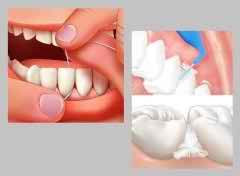
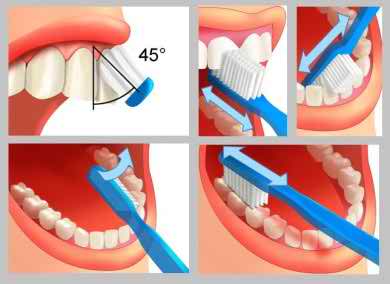
Regular dental examinations, good oral hygiene, brushing twice a day, daily flossing, and prompt treatment of dental problems can help protect your teeth and prevent minor issues from becoming major ones.
Remember: Prevention is always better than extensive treatment. Take care of your teeth today to protect your smile, your health, and your budget tomorrow.




.jpg)